
The Best Fluffy Pancakes recipe you will fall in love with. Full of tips and tricks to help you make the best pancakes.

The living room serves as the heart of every home. It is where families gather, friends connect, and you unwind after a long day. A well-designed living room blends comfort, style, and practicality to perfectly suit your lifestyle. Whether you have a small apartment or a spacious house, thoughtful planning can transform this central space into a warm and inviting retreat that reflects your personality.
Living rooms today have moved beyond formal sitting areas into versatile, multi-functional hubs. Modern designs emphasize comfort, sustainability, and adaptability while creating spaces that feel both beautiful and lived-in. With the right approach, anyone can craft a living room that enhances daily life.
Origins and Evolution of the Living Room
The idea of a dedicated living room has deep historical roots. Early versions emerged in European homes as formal parlors meant primarily for entertaining guests. Over the centuries, as family life became more central, these spaces evolved from stiff, formal rooms into casual gathering areas where people could truly relax and connect.
In the modern era, living rooms continue to adapt to contemporary needs. Open-plan layouts, hybrid work-from-home setups, and entertainment zones have become common. As we move through 2026, the emphasis is on flexible, sustainable, and cozy designs that support both connection and personal relaxation. The idea of a dedicated living room has deep historical roots. Early versions emerged in European homes as formal parlors meant primarily for entertaining guests. Over the centuries, as family life became more central, these spaces evolved from stiff, formal rooms into casual gathering areas where people could truly relax and connect.
In the modern era, living rooms continue to adapt to contemporary needs. Open-plan layouts, hybrid work-from-home setups, and entertainment zones have become common. As we move through 2026, the emphasis is on flexible, sustainable, and cozy designs that support both connection and personal relaxation.
Key Characteristics of a Perfect Living Room
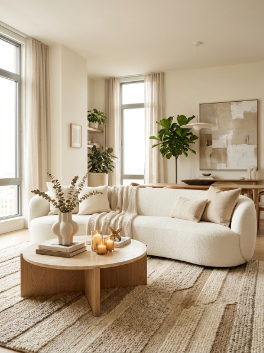
A truly great living room achieves harmony between aesthetics and functionality. It should feel inviting, spacious, and tailored to how you actually live day to day. The layout promotes easy movement and conversation, while the overall design creates a cohesive and comfortable atmosphere regardless of room size or budget.
Color choices play a major role in setting the mood. Neutral bases such as soft beiges, warm grays, and creamy whites provide a timeless foundation, allowing accent colors to add personality and depth. Materials and textures bring the space to life through a thoughtful mix of wood, fabric, metal, and natural elements. Layered lighting, including ambient, task, and accent options, helps create different moods throughout the day and evening.
Design Styles: Finding Your Living Room’s Personality
Living rooms can express many different aesthetics depending on your taste and needs. Popular approaches in 2026 include warm minimalism with clean lines, soft neutrals, and natural textures that promote calm. Cozy Scandinavian styles focus on light colors, functional furniture, and abundant textiles for comfort. Modern bohemian designs embrace layered rugs, abundant plants, eclectic art, and vibrant accents, while contemporary family-friendly spaces prioritize durable materials, ample seating, and multi-purpose furniture.
The best choice is the style that aligns with your daily habits and personal taste. The most successful living rooms feel authentic and personal rather than like a showroom display.
Furniture and Layout Essentials
The foundation of any successful living room lies in its furniture and thoughtful arrangement. A comfortable sofa, often in a sectional style, typically serves as the anchor piece, complemented by accent chairs that provide additional seating and character. Coffee tables and side tables offer practical surfaces for drinks, books, and decor while contributing to the overall aesthetic.
Storage solutions help maintain a clutter-free environment. Media consoles, shelving units, and ottomans with hidden compartments keep belongings organized and out of sight. Area rugs define different zones and add softness underfoot, while throw pillows and blankets instantly enhance coziness. When planning your layout, careful measurement and attention to traffic flow are essential. Leaving adequate space between pieces ensures the room feels open and easy to move through.
Maintenance and Care: Keeping Your Living Room Looking Great
A beautiful living room stays inviting when given regular attention and care. Weekly vacuuming, dusting, and prompt spot-cleaning of fabrics help preserve its fresh appearance. Seasonal refreshes, such as rotating decor, swapping throw pillows, or repainting an accent wall, can update the look without requiring a complete overhaul.
Choosing high-quality, durable, and stain-resistant materials makes maintenance easier, especially in homes with children or pets. Adding low-maintenance indoor plants not only improves air quality but also brings a lively, natural element into the space. Consistent small habits prevent wear and tear and ensure the room continues to feel welcoming year after year.
Common Challenges and Solutions
/Every living room faces potential design hurdles, but most can be addressed effectively. Small spaces benefit from multi-functional furniture, vertical storage solutions, and light color palettes that create an airy feel. Clutter can be managed through smart storage and simple rules like removing one item for every new piece added. Rooms lacking natural light can be enhanced with mirrors, sheer curtains, and well-planned artificial lighting.
To avoid a boring or flat design, focus on introducing varied textures, meaningful artwork, and personal items that tell your story. Addressing these challenges early leads to a space that remains functional and attractive for many years.
Is This Living Room Style Right for You?
The ideal living room depends heavily on your lifestyle, family size, and daily routines. Active families often prefer durable seating, spacious layouts, and areas suitable for play and gathering. Professionals who work from home benefit from comfortable zones with effective task lighting and organized workspaces. Minimalists tend to gravitate toward clean, uncluttered designs that promote calm and simplicity.
Before making major decisions, consider how you and your household actually use the space. Renters can achieve significant transformations using removable elements like rugs, curtains, and movable furniture, while homeowners have more options for built-ins and structural modifications. Taking time to research, test layouts, and prioritize comfort above trends will help you create a living room that truly works for your life.